⚡ Hızlı Özet (TL;DR)
Tire labels are innovative solutions that provide maximum performance on challenging surfaces, offering safety and environmental benefits. Discover now!
What are Tire Labels?
A tire label is a special label indicating the performance and features of tires that show durability on challenging surfaces. These labels are produced using advanced rubber-based adhesives and metalized substrates, providing excellent grip on rough surfaces.
The Importance of Tire Labels
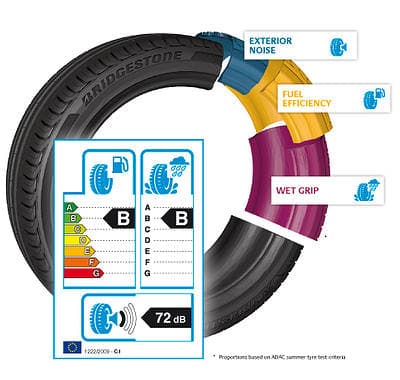
The EU's tire labeling system provides critical information to drivers about fuel efficiency, wet grip, and external noise levels. This information allows drivers to make more informed choices and enhances the safety driving experience.
Benefits of Tire Labels
- Fuel Efficiency: Indicates the rolling resistance of tires, playing a significant role in reducing fuel consumption.
- Safety: Increases driving safety by providing information about tire grip on wet roads.
- Environmentally Friendly: Reduces carbon emissions through energy efficiency, thereby minimizing environmental impacts.
Types of Tire Labels
Tire labels are produced in various types according to different performance requirements:
- Type A: Designed for tires offering high fuel efficiency.
- Type B: Developed to provide high grip on wet surfaces.
- Type C: Notable for its structure that minimizes external noise levels.
Conclusion
Tire labels are important components that offer both safety and economic advantages to drivers. These labels that perform excellently on challenging surfaces guide you in making the right choice.
Frequently Asked Questions (FAQ)
How is a tire label applied?
The tire label is carefully applied to the tire surface with special adhesives and is designed to withstand challenging conditions.
What are the prices of tire labels?
The prices of tire labels vary based on quality and type, generally starting from 10 TL and going up to 50 TL.
Do tire labels harm the environment?
No, tire labels are made from environmentally friendly materials and are designed to reduce carbon emissions.
Which tires require a label?
It is recommended to use labels on all tires, especially on tires that are specially designed for high load capacity and challenging conditions.