⚡ Hızlı Özet (TL;DR)
RFID printers and encoders are revolutionizing asset tracking and label management. Here’s everything you need to know!
RFID Printers and Encoders
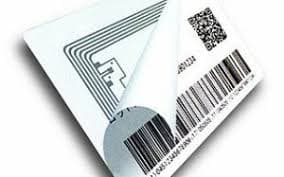
RFID printers are among the most important components of smart labeling systems. These devices can simultaneously print on and encode RFID transponders (labels) embedded on paper or synthetic materials, offering revolutionary solutions in asset tracking, inventory management, and production processes.
Advantages of RFID Printers
- Efficiency: RFID printers accelerate the operational process and save time by printing and programming labels simultaneously.
- Accuracy: They increase data integrity by minimizing the possibility of typographical errors and prevent issues with incorrect labeling.
- Compatibility: RFID labels can work in integration with existing barcode systems, allowing companies to easily adapt to their current systems.
Applications of RFID Printers
RFID printers have a wide range of applications across different industries. Here are some examples:
- Retail: Offers the most effective solutions for stock tracking and product management.
- Logistics: Ideal for monitoring shipping processes and controlling assets.
- Healthcare: Reliably manages medical devices and supplies.
RFID Printer Models
There are many RFID printer models available in the market. Some prominent brands include:
- Zebra: Caters to various needs with its industrial and mobile printers.
- Doogee DK10: Stands out with its card printers.
- ZD621R: Offers the best features in RFID printing and encoding with high performance.
Conclusion
RFID printers and encoders play a critical role in today’s label management. They provide effective solutions across many industries with advantages like asset tracking, high data accuracy, and quick processing time.
Frequently Asked Questions (FAQ)
- How do RFID printers work?
RFID printers are specialized devices used to write data on and encode labels. They facilitate the creation of labels by transferring data to embedded RFID chips. - What are the advantages of RFID labels?
RFID labels offer many advantages such as fast data reading, real-time tracking, and secure storage of data. - In which industries are RFID printers used?
RFID printers can be used in many sectors such as retail, logistics, healthcare, and manufacturing. - What should be considered when choosing an RFID printer?
The printer's speed, print quality, durability, and suitability for its intended applications are important criteria to consider.